Ah, the magical moment when a child truly starts to read! It’s right up there with their first steps or their first word. But let’s be honest, getting there can feel like trying to solve a puzzle with half the pieces missing, especially for us parents navigating the sea of educational advice. We all want our kids to love reading, to devour books, and to unlock worlds through words. And for many, the key to that initial breakthrough lies in something deceptively simple yet incredibly powerful: phonics learning games for kids .
Here’s the thing: I’ve seen countless parents (and maybe even been one myself!) wrestle with how to best introduce reading. We try flashcards, storybooks, even just pointing at words. But what if I told you there’s a way to make this foundational skill not just digestible, but genuinely fun? That’s where the magic of interactive play, specifically through phonics games , comes in. This isn’t just about entertainment; it’s about leveraging a child’s natural inclination to play into a robust learning experience that builds strong early reading skills from the ground up.
Why Phonics? Understanding the “Secret Sauce” of Reading
Before we dive into the games, let’s quickly demystify phonics itself. Simply put, phonics is a method for teaching children to read by correlating sounds with letters or groups of letters in an alphabetic language. Think of it as teaching them the building blocks of words. Instead of just memorizing “cat” as a whole picture, a child learning phonics understands that ‘c’ makes a /k/ sound, ‘a’ makes an /a/ sound, and ‘t’ makes a /t/ sound. Blend them together, and voilà: /k/-/a/-/t/ makes “cat.”
Why does this matter so much? Because it gives children a system, a toolset, to decode any new word they encounter, not just the ones they’ve been explicitly taught. It’s the difference between giving a child a fish and teaching them how to fish. This systematic approach is absolutely crucial for robust literacy development . Without it, children often struggle with unfamiliar words, leading to frustration and a potential aversion to reading down the line. It’s about building a solid foundation, and that’s why educators and child development experts consistently emphasize its importance, as you can read more about on educational resources likeWikipedia’s entry on Phonics.
The Game Changer | How Phonics Games Make Learning Stick
Now, here’s where it gets exciting. We know phonics is vital, but let’s be honest, drilling letter sounds can be a bit dry for a five-year-old. This is precisely why phonics learning games for kids are such a game-changer. They transform repetitive learning into engaging play. Children learn best when they are actively involved, when they are curious, and when they are having fun. Games provide all of this.
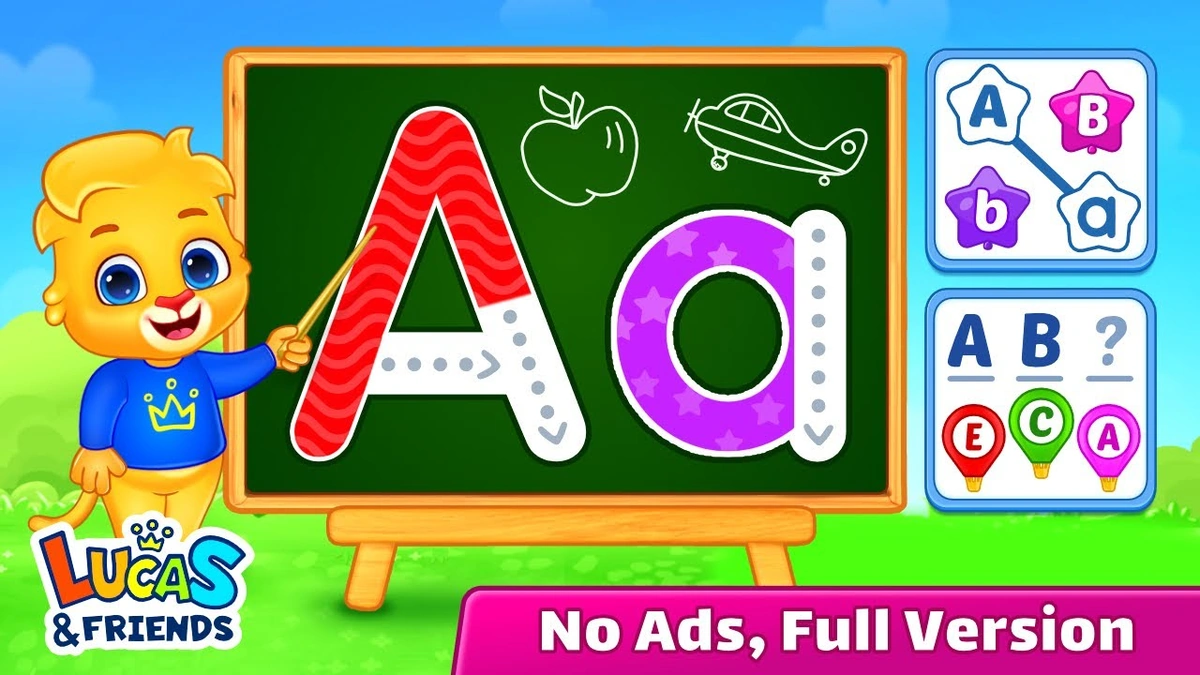
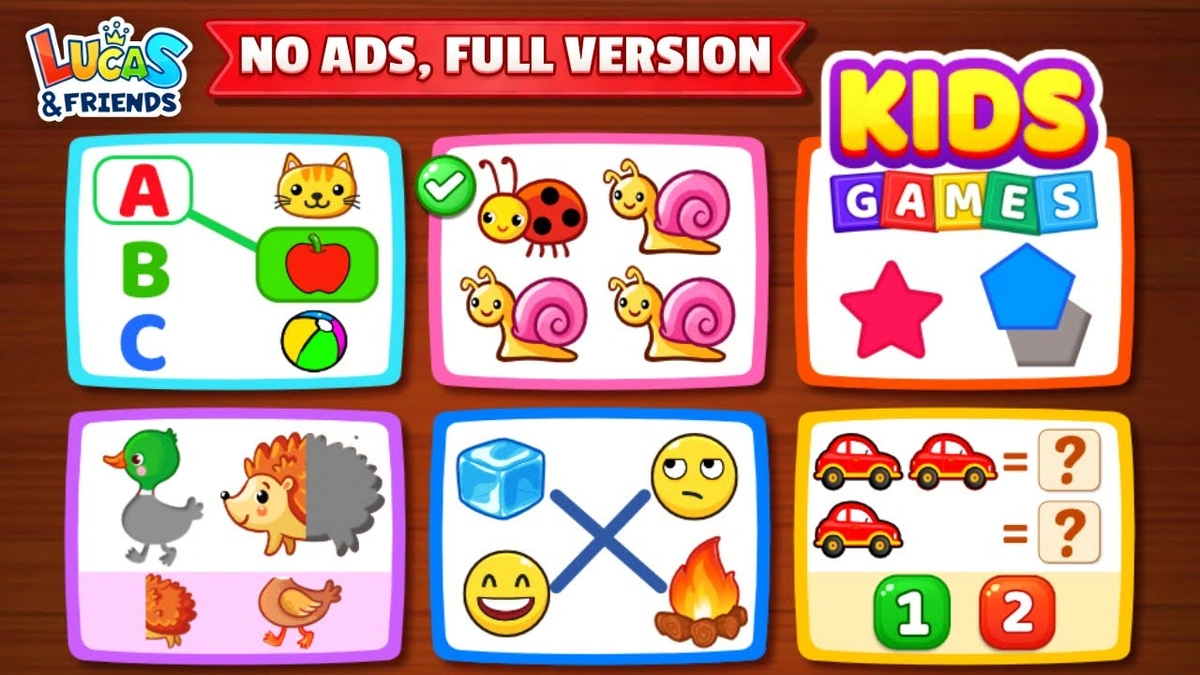
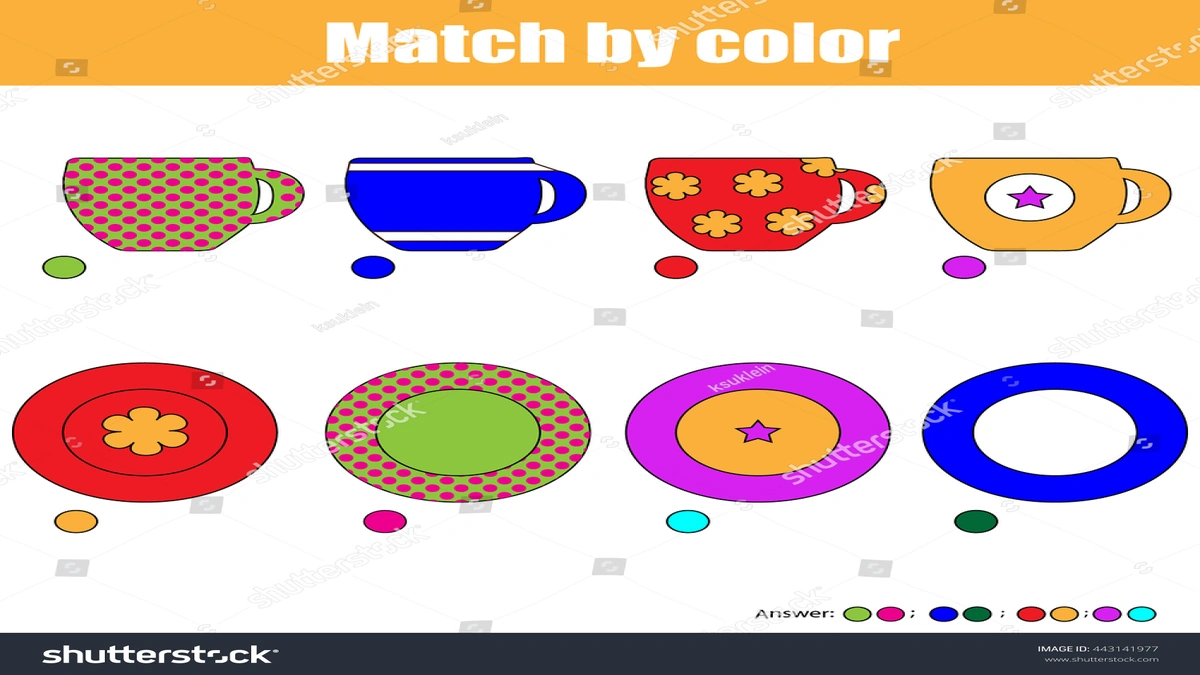
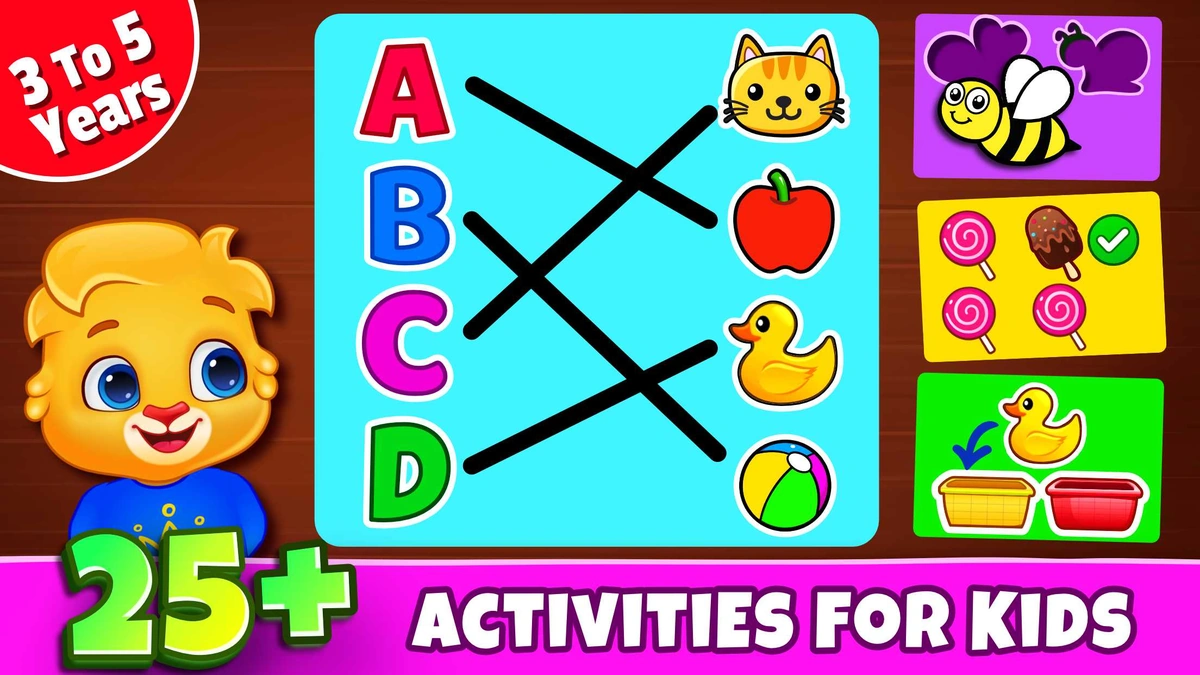
Imagine a child laughing as they match a letter sound to an image, or excitedly dragging letters to form a word on a screen. This isn’t just passive absorption; it’s active participation. These interactive reading games offer immediate feedback, celebrate small successes, and allow for endless repetition without the child even realizing they’re “studying.” They engage multiple senses – sight, hearing, and touch (especially with tablet-based games) – which solidifies learning in a way that simply looking at a flashcard often can’t. From simple matching games to complex word-building adventures, the right educational games for kids can make the journey to reading an absolute joy.
Picking Your Play | A Parent’s Guide to Choosing the Right Phonics Games
Alright, so you’re convinced about the power of games. But walk into any app store or toy shop, and you’ll be swamped. How do you choose the right ones? A common mistake I see parents make is diving into games that are either too advanced or too simplistic for their child’s current stage, leading to frustration rather than engagement. The key is age-appropriateness and a clear learning progression.
For our littlest learners, those in the preschool learning phase, look for games that focus on letter recognition, initial letter sounds, and rhyming. Simple drag-and-drop activities or matching games are perfect here. As they move into kindergarten phonics , introduce games that involve blending two or three sounds (like C-A-T) and identifying ending sounds. Many of the best phonics apps offer a structured curriculum that progresses naturally, often starting with basic letter sounds and moving towards more complex word structures and even sight words practice . Don’t hesitate to explore free phonics games online or through app trials first; many are incredibly well-designed and effective.
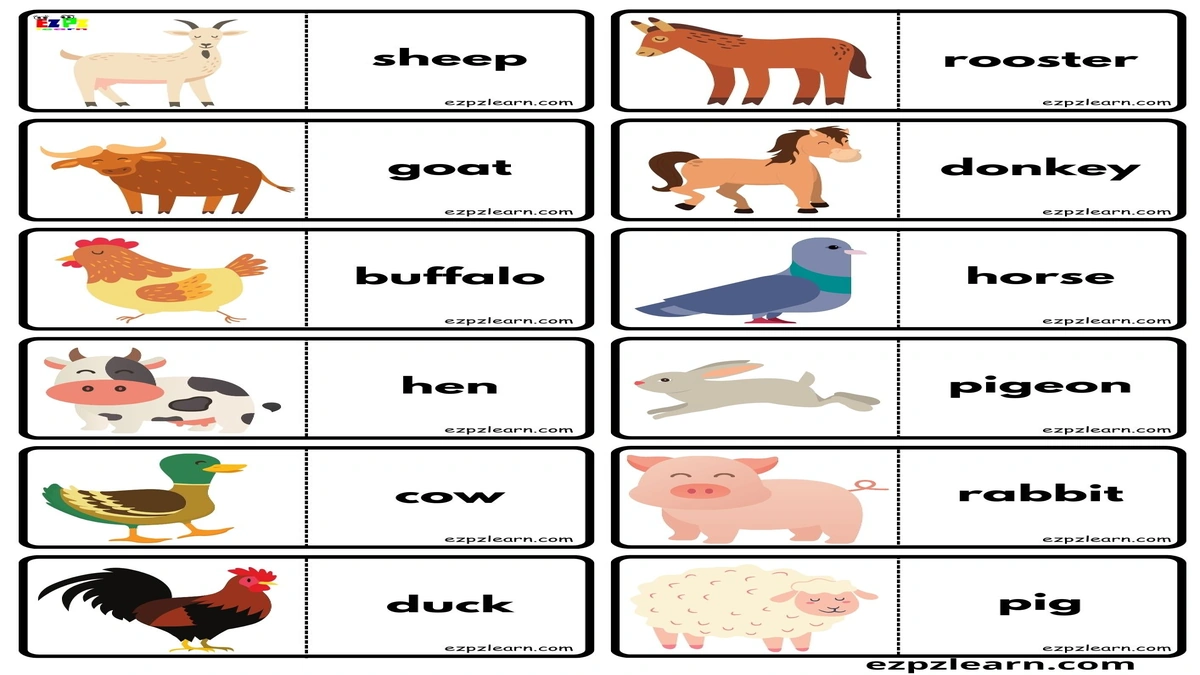
When selecting, consider the quality of the audio (clear pronunciation is paramount!), the visual appeal, and the intuitive nature of the interface. You want your child to focus on the learning, not struggle with clunky controls. For more engaging educational experiences that might even incorporate aspects like exploring animal sounds and names through interactive play, you might also find value in exploring platforms likewildkrattsgames.com/category/animal-games/. Always remember, the goal is to support, not overwhelm, your child’s phonics for beginners journey.
Beyond the Screen | Integrating Games into Daily Life
While digital phonics learning games for kids are fantastic, it’s crucial to remember that learning isn’t confined to a screen. The principles learned in these games can (and should!) be extended into everyday life. Think of it as taking the skills off-screen and into the real world. For instance, after playing a game about initial sounds, point out the ‘s’ sound in “sandwich” at lunchtime, or the ‘b’ sound in “book” during story time. This reinforces the learning and shows your child how these skills apply everywhere.
You can also create your own fun phonics activities . Use magnetic letters on the fridge to spell simple words. Play “I Spy” with sounds instead of colors (“I spy with my little eye something that starts with /b/”). These simple, low-tech games are excellent for early childhood education and complement the structured learning from apps. They also provide a wonderful opportunity for you to engage directly with your child’s learning process, making it a shared and joyful experience. Building a strong phonics curriculum at home doesn’t have to be rigid; it can be incredibly flexible and creative.
Common Pitfalls and How to Avoid Them
As with any educational tool, there are a few things to watch out for. First, don’t expect miracles overnight. Learning to read is a marathon, not a sprint. Celebrate small victories – recognizing a new letter sound, blending two sounds, or correctly identifying a word. Patience is key. Secondly, while games are powerful, they shouldn’t completely replace reading real books with your child. Reading aloud exposes them to rich vocabulary, story structures, and the sheer joy of narrative, which games can’t fully replicate. The games are a tool to support reading, not replace it.
Also, be mindful of screen time. Even the best learn to read games should be used in moderation. Set limits, and try to engage with your child during their game time, asking questions and reinforcing what they’re learning. This adds another layer of interaction and ensures they’re truly processing the information. For a broader range of engaging activities that encourage learning and exploration, you might want to visitwildkrattsgames.comfor inspiration on how to make learning an adventure.
Finally, trust your instincts. If a game isn’t clicking with your child, don’t force it. There are countless options out there. The goal is to find what sparks their interest and helps them build confidence in their reading journey. It’s about creating positive associations with learning, not turning it into a chore.
Your Phonics Game FAQs Answered
How young can my child start with phonics games?
Many children can start engaging with basic letter sound recognition and rhyming games around 3-4 years old (preschool age). The key is to keep it playful and short, focusing on exposure rather than formal instruction. Look for games designed specifically for preschool learning .
Are free phonics games as good as paid ones?
Absolutely! Many free phonics games are incredibly high-quality and developed by experienced educators. However, some paid apps offer more comprehensive curricula, no ads, or advanced features. It’s often worth trying free versions or trials first to see what resonates with your child before committing to a purchase.
What if my child isn’t interested in phonics games?
Don’t despair! Every child is different. Try different types of games (digital vs. physical, different themes), different approaches, or integrate them into other activities they enjoy. Sometimes, a break and then reintroducing them later works wonders. Focus on making it a positive, low-pressure experience for their early literacy skills .
How do these games help with sight words?
While phonics teaches decoding, many games also incorporate sight words practice . They often use visual recognition and repetition for high-frequency words that aren’t easily sounded out phonetically (like “the” or “said”). This dual approach is very effective for building a robust vocabulary.
Can phonics games replace reading with a parent?
No, they are a powerful supplement, not a replacement. Reading aloud with a parent fosters a love for books, models fluent reading, introduces new vocabulary, and creates special bonding moments. Phonics learning games for kids build the foundational skills, but shared reading brings stories to life.
So, there you have it. The journey to reading is a monumental one, filled with little triumphs and sometimes, a few stumbles. But with the right phonics learning games for kids , you’re not just giving your child a head start; you’re equipping them with the tools, the confidence, and most importantly, the joy that comes with unlocking the incredible world of words. Happy reading (and playing)!